

Brainspotting therapy in CaliforniaBrainspotting Therapist for Thoughtful, Capable People
My clients are thoughtful, capable people who are tired of surface-level solutions. Many understand their patterns but still feel stuck in them, emotionally or physically. Brainspotting is designed to help access and process what isn't always reachable through insight alone.
Online sessions throughout California, with in-person intensives in San Francisco and West Los Angeles.
The approachWhat Is Brainspotting?
Brainspotting is a brain-and body-based therapy developed by Dr. David Grand in 2003. It's built on a simple observation: where you look affects how you feel.
By finding the eye position connected to a feeling, called a brainspot, we help your nervous system process what's been stuck, often below the level of words.
It may be a fit if you're
Able to explain your patterns but still caught in them
Carrying tension your mind can't talk you out of
Repeating the same attachment patterns in relationships
People pleasing and struggling to hold boundaries
Tired of therapy that only skims the surface
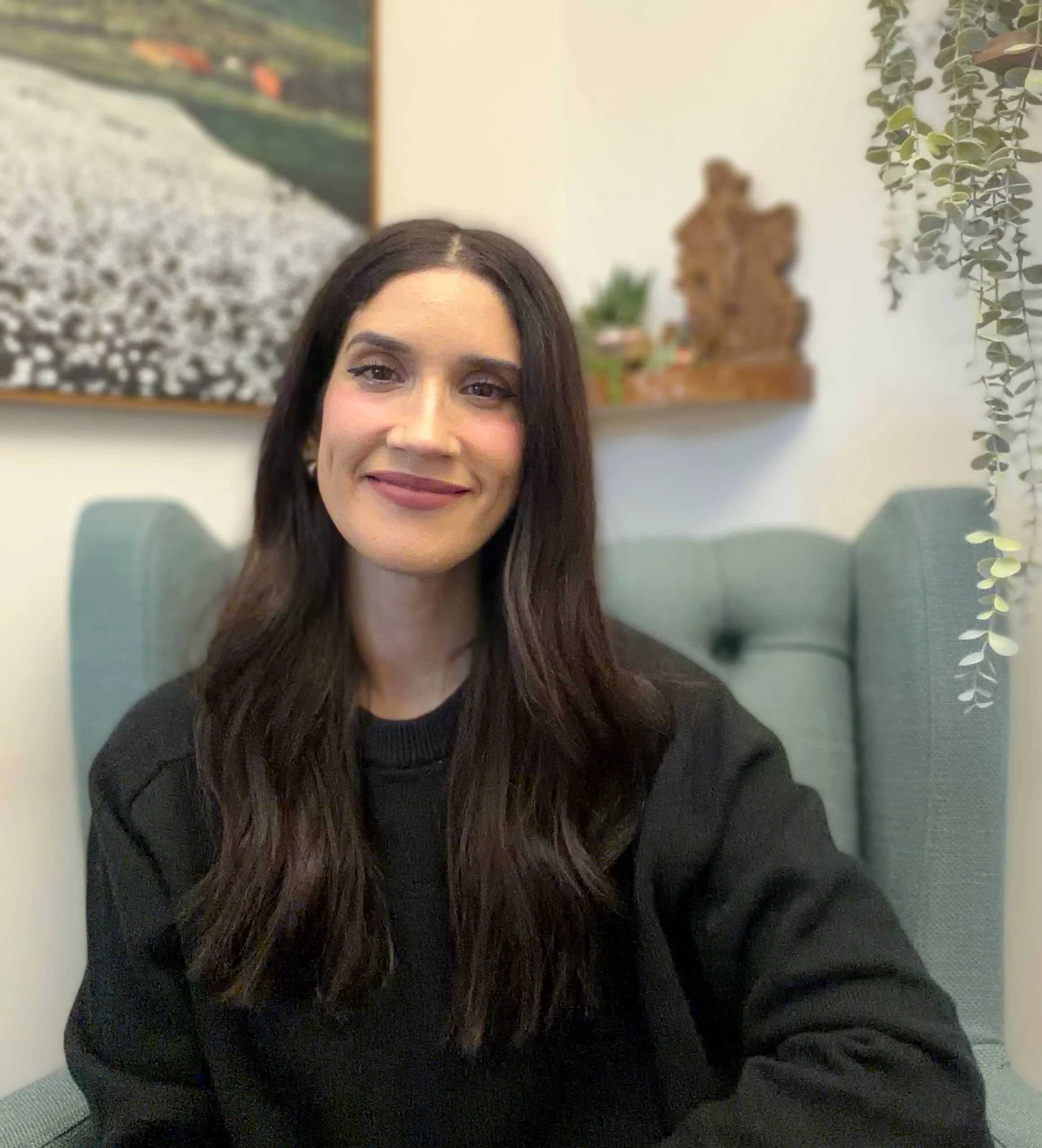
meet your therapistHi, I'm Esma
I'm a Brainspotting clinician, trained directly with David Grand, PhD, who developed the approach. I've experienced attachment trauma myself, and I know what it's like to understand a pattern and still feel stuck in it. I weave Brainspotting with IFS and somatic approaches, based on what's emerging in each session. Brainspotting helps access and process the nervous system patterns underneath. IFS helps us understand the parts of you that developed to cope. My approach is both direct and nurturing. I won't shy away from difficult conversations, and you'll feel supported and challenged with care and compassion.
Brainspotting is not about fixing you. It’s about helping your nervous system access more choice.
What I work withHow Brainspotting Can Help
Brainspotting for Anxiety
Anxiety often has roots in how we learned to relate, to ourselves and to others. Brainspotting works with the nervous system patterns that keep anxiety active, so you can begin responding with more choice and less reactivity.
Brainspotting for Trauma
Brainspotting isn't about retelling or reliving every detail. It supports processing at a pace that feels manageable and respectful of your nervous system, from a single event to childhood and complex trauma.
Brainspotting for Relationships
Attachment wounds shape how we connect. Brainspotting helps loosen old relational patterns, like people pleasing and over-functioning, so you can respond from the present rather than from the past.
Online sessionsWhat to Expect
Sessions happen by secure video, so you can do this work from a space where you already feel at ease. The work is steady and attuned, with an emphasis on pacing, choice, and safety. For deeper, concentrated work, in-person Brainspotting intensives are available in San Francisco and West Los Angeles.
Ways to Work Together
Break the patterns. Heal at the root.



Common questionsBrainspotting FAQ
Can Brainspotting be done online?
Yes. I offer Brainspotting by secure video for adults anywhere in California. Many clients find that processing in their own space actually supports the work, because the nervous system is already in familiar surroundings.
Do I need a trauma history for Brainspotting to help?
No. Brainspotting can help with anxiety, stuck patterns, and old reactions that keep repeating, whether or not you'd describe what you've been through as trauma.
What does it feel like after a session?
Processing often continues after the session ends. Some people feel tired, emotionally tender, or more inward for a while. Rest, hydration, and gentle self-care help.
Is Brainspotting effective?
Brainspotting was developed by Dr. David Grand in 2003, and its mechanisms are discussed widely in academic literature. Many people find it helpful, though specific outcomes can't be guaranteed.
How many sessions will I need?
It depends on your goals, your time, and your resources. Everyone is different. We'll talk about what you're working toward and build a plan that fits. I'm not interested in keeping you longer than you need, but I also won't rush what needs time.
What does it cost?
Fees depend on how we work together. You'll find current fees for individual sessions, group, and intensives on the FAQ page.

Take the First StepImagine what becomes possible when old patterns no longer define you.
You're welcome to reach out for a free 20-minute phone consultation.